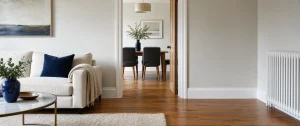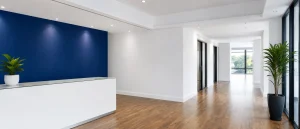
Open plan living is a staple of modern design, offering space, light and flexibility that traditional layouts often can’t. By removing walls and barriers these expansive areas create a seamless flow between kitchen, dining and living spaces perfect for everyday living and entertaining.
But while open plan layouts offer many benefits they also present unique decorating challenges. Without planning large spaces can feel overwhelming, disorganized or cold.
To create a cohesive and inviting open-plan space, you need to balance function with form. A well-designed open-plan space should feel connected but have distinct zones for different activities.
Thoughtful choices in furniture, colour and lighting can define areas without compromising the openness of the space. Whether you’re designing a new open plan space or refreshing an existing one the following will help you achieve a harmonious and stylish result.
Defining Functional Zones
One of the best ways to make an open plan space feel structured is to define functional zones. Without walls to separate different areas furniture placement is key to creating separate areas for cooking, dining and relaxing.
A well placed sofa for example can act as a subtle divider between a living area and a dining space while a large dining table can anchor the eating area in the room. Shelving units, console tables and even indoor plants can be used as practical yet stylish partitions.
Rugs are another great tool for zoning in an open plan space. A large area rug under a seating arrangement will ground the living area while a different texture or colour under the dining table will further define the space.
Complementary but different lighting can also help zone areas—pendant lights over the dining table create focus while floor lamps and softer lighting in the living space encourage relaxation. By arranging furniture and decor you can ensure each zone is defined but still feels connected.
Creating a Harmonious Colour Scheme
Colour is key to bringing cohesion to an open-plan space. A unified colour scheme that flows across the whole area prevents a disjointed or cluttered look.
Sticking to a base of neutral shades like whites, greys or soft earthy tones creates a calm foundation and allows you to introduce accent colours subtly through furniture, accessories or feature walls. This will ensure a seamless transition between zones while keeping the overall design consistent.
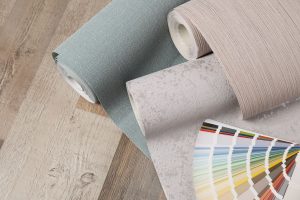
To prevent a monochromatic space from feeling flat add depth and interest with subtle variations in shade and texture. For example use a slightly darker tone on one wall or texture of wood and stone to add dimension while keeping harmony.
If you want to introduce bolder colours opt for a repeating accent colour that appears in different elements across the space—cushions, artwork or decorative pieces—to tie everything together without overwhelming the room.
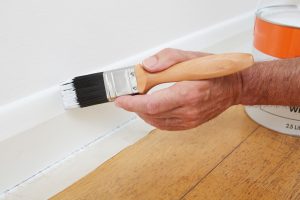
Balancing Open Space with Visual Interest
While open-plan spaces are praised for their airy and expansive feel they can sometimes lack the sense of intimacy that smaller enclosed rooms provide. To counter this layering textures and materials is key to adding warmth and character.
Soft furnishings like throws, cushions and curtains introduce a cosy feel while a mix of materials—wood, metal, glass and textiles—adds richness and contrast. The key is to balance minimalism with personality so the space feels open but not stark.
Statement pieces like a bold piece of artwork, a feature wall or a statement piece of furniture can help anchor the space and create a focal point. But don’t over do it with too many competing elements.
Instead, choose a few standout pieces that fit the overall aesthetic and distribute them throughout the space. This will keep the space cohesive while each zone in the open plan feels curated and intentional.
Choosing the Right Flooring
Flooring is one of the most important considerations in open-plan decorating as it plays a big role in defining the overall look and feel of the space. A continuous flooring choice like hardwood, polished concrete or large format tiles creates a seamless and expansive look and reinforces the openness of the layout.
Consistency in flooring also means the space feels unified rather than fragmented. But if you want to add visual interest and zone the space use different flooring materials.
For example use tiles in the kitchen area and transition to wood or carpet in the living space and you get functional and aesthetic benefits. Tiles are more durable and easier to clean in high traffic or spill prone areas while wood or carpet is warmer and cozier where relaxation is the priority.
If using different materials ensure they match in colour and style to keep the look harmonious. Thoughtful flooring choices can enhance the flow of an open plan space and make it more practical for everyday living.
Using Furniture to Flow and Function
Furniture is key in an open plan space as it serves both practical and design purposes. Multi functional furniture like extendable dining tables, modular sofas or storage ottomans can maximise space without compromising style.
Choosing pieces that offer flexibility allows the space to adapt to different needs whether hosting guests or creating a cozy retreat for quiet evenings.
In addition to functionality arranging furniture in a way that encourages a natural flow between zones is essential. Don’t push everything against the walls as this can make the space feel disconnected and awkward.
Instead position seating and tables to encourage conversation and movement. Open shelving or low profile furniture instead of solid dividers helps maintain openness while still providing separation. Thoughtfully placed furniture enhances both practicality and aesthetics of an open plan design.
Maximising Natural Light and Space
One of the greatest benefits of open plan living is the abundance of natural light that flows through the space. To make the most of this opt for sheer or light filtering window treatments that allow daylight to enter while still providing privacy.
Positioning mirrors opposite windows can also bounce light and create the illusion of a larger space. Reflective surfaces like glossy finishes or glass tabletops further enhance the sense of light and openness.
Keep bulky furniture to a minimum and opt for open shelving instead of heavy cabinets to prevent the space from feeling closed in. Glass partitions or sliding doors can also be used to maintain openness while providing the option to separate areas when needed.
By maximising light and space perception, you can create a bright and airy environment that benefits from open-plan living.
Adding Personality Without Clutter
A cohesive open-plan space doesn’t have to be boring. Add personality through carefully chosen accessories, artwork and decorative elements and the space will feel lived in and inviting.
The key is to curate rather than clutter—choose a few meaningful pieces that fit your style and distribute them throughout the space to balance it out. A few books, ceramics or family photos can add warmth without overwhelming the design.
Plants are another way to bring life to an open-plan space. Large statement plants like fiddle-leaf figs or monstera can act as a natural divider between zones and smaller potted plants on shelves or tables add organic texture. By incorporating personal elements thoughtfully you can make your open-plan home feel stylish and yours.
Conclusion
Open plan decorating is all about balance of structure, cohesion and personality. By defining zones, using a consistent colour palette and varying textures you can create a space that feels spacious and inviting.
Furniture placement, lighting and flooring can further enhance the flow and practicality.
Ultimately open plan living is an opportunity to design a space that is both beautiful and functional. With planning and attention to detail, you can create a home that looks great and works for you.
Whether you’re building new or renovating an existing space these tips will help you get the most out of your open plan.