Small rooms often get a bad reputation. They can feel boxed in, awkward to furnish, and harder to decorate without everything looking cramped.
Still, a compact space is not automatically a problem. With the right choices, it may actually feel calmer and more considered than a larger room that has not been thought through.
What usually makes the difference is how the space is treated visually. Colour, light, furniture, and layout all influence how big or small a room appears.
You do not need to knock down walls to improve things. In many cases, a few well judged decorating decisions are likely to shift how the room feels day to day.
Use Light Colours Without Making the Room Feel Flat
Light colours are often suggested for small rooms because they reflect more light and reduce visual weight. Soft whites, warm creams, pale greys, and muted pastels can all help a room feel more open.
That said, an all white room can sometimes feel cold or unfinished, especially if the lighting is poor.
Introducing gentle contrast usually helps. This might be a slightly darker tone on woodwork, a soft coloured ceiling, or warmer accents through fabrics.
These small variations stop the space from feeling flat while still keeping things light and breathable.

Make the Most of Natural and Artificial Light
Natural light can change the mood of a small room more than almost anything else. Keeping windows clear of heavy curtains or bulky blinds allows light to travel further into the space.
Sheer fabrics or neatly fitted blinds often work better than thick drapes in compact rooms.
Artificial lighting matters just as much, particularly in the evenings. Relying on a single ceiling light can leave corners feeling gloomy.
Table lamps, wall lights, or subtle uplighting may spread light more evenly and soften shadows, which helps the room feel less enclosed.
Choose Furniture That Fits the Space
Furniture that is too large will quickly overwhelm a small room, even if the layout is sensible. Chunky sofas, deep wardrobes, or oversized sideboards tend to dominate visually.
Slimmer designs with visible legs usually feel lighter and allow the eye to travel underneath them.
Multi purpose furniture can also make a difference. Storage ottomans, beds with built in drawers, or wall mounted desks reduce the need for extra pieces.
Fewer items, chosen carefully, often make the room feel more generous than trying to squeeze everything in.
Keep Flooring Consistent and Uncluttered
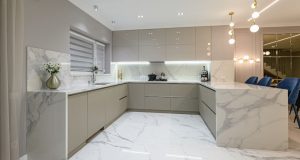
Flooring plays a quiet but important role in how a space is perceived. Using the same flooring throughout adjoining areas can make rooms feel connected rather than chopped up. This is particularly noticeable in flats or open plan layouts where frequent changes break up the flow.
In smaller rooms, busy patterns or strong contrasts on the floor may feel distracting. Simpler finishes tend to work better, allowing walls and furnishings to do the talking. Keeping floors clear of unnecessary rugs also helps the room feel wider and easier to move through.
Create Height With Clever Vertical Details
Drawing the eye upwards can make a low or compact room feel taller than it really is. Vertical elements such as tall bookcases, narrow shelving, or elongated wall art encourage this effect without shouting for attention.
Curtains can also help if they are hung slightly higher than the window frame. This simple trick creates the impression of taller walls. Even subtle vertical stripes or panelled effects may suggest extra height when used sparingly.
Declutter Without Making the Room Feel Bare
Clutter is often what makes a small room feel stressful. Too many objects competing for attention can quickly overwhelm the space. Clearing surfaces and reducing excess items usually makes an immediate difference.
That said, stripping everything back can leave the room feeling sterile. The aim is balance. Practical storage that hides everyday items while leaving a few personal touches on display helps the room feel lived in without feeling messy.
Use Mirrors and Reflective Surfaces Carefully
Mirrors are a common suggestion for small spaces, and when placed well, they can be very effective. Positioning a mirror opposite or near a window may reflect light back into the room and give a sense of added depth.
Overdoing reflective surfaces can feel uncomfortable, though. Too many shiny finishes or poorly placed mirrors may create glare or feel visually busy. Used thoughtfully, reflective elements should support the space rather than dominate it.
Final Thoughts
Making a small room feel bigger is rarely about one dramatic change. It is usually the result of several small decisions working together. Light, colour, proportion, and layout all play their part in shaping how the space is experienced.
With a bit of trial and error, even the most compact room can feel comfortable and welcoming. Paying attention to how the room is used, rather than how it measures on paper, often leads to the best results.