The exterior paintwork of a property does far more than add a splash of colour. It provides an important protective layer against the unpredictable British climate, shielding walls and surfaces from rain, frost, and sunlight.
When done correctly, it can enhance a home’s kerb appeal while also extending the life of the materials beneath.
However, when paint begins to fail, the results can be both unattractive and costly.
Exterior paint failures are surprisingly common and often caused by a combination of poor preparation, unsuitable products, and harsh weather conditions.
Left unchecked, peeling or blistering paint can quickly lead to further damage, leaving a home vulnerable to damp and decay.
In this article, we’ll explore the main reasons paint fails, the tell-tale signs to look out for, and, most importantly, how you can avoid these issues in the first place.
Why Exterior Paint Fails
One of the primary causes of exterior paint failure is the constant exposure to weather.
In the UK, walls endure heavy rain, icy winters, and bursts of strong summer sun. These shifts in temperature and moisture create expansion and contraction in surfaces, causing paint layers to weaken over time.
If the paint itself isn’t formulated to withstand outdoor conditions, it will naturally degrade more quickly.
Preparation also plays a huge role.
Applying fresh paint over dirt, moss, or flaking surfaces prevents it from adhering properly. Similarly, painting on damp walls locks in moisture, which later forces its way out and causes blistering.
Using the wrong type of paint, such as interior emulsions outdoors, is another guaranteed route to failure, as these coatings simply aren’t designed to cope with weather exposure.
Signs Your Exterior Paint Is Failing
Peeling or flaking paint is the most obvious indicator that something has gone wrong. Once the paint loses its bond with the wall, it comes away in strips or chips, exposing the bare surface beneath.
Blistering and bubbling are other common signs, often caused by moisture trapped behind the paint film or application in the wrong conditions.
Cracking, sometimes called “alligatoring” due to its scaly appearance, is another symptom of paint failure. In addition, fading and chalking are tell-tale signs of paint that has been weakened by prolonged sun exposure or poor-quality products.
Stains or discolouration may also appear, particularly if water has seeped through cracks or if contaminants have bled through the surface.
How to Prevent Exterior Paint Failures
The best way to avoid problems is to start with thorough preparation. Cleaning the walls, removing old paint, filling cracks, and applying a suitable primer all help create a sound surface for new coatings.
Rushing this stage may save time in the short term, but it almost always leads to premature failure. Ensuring walls are completely dry before painting is also vital, especially after periods of wet weather.
Choosing the right paint is just as important. High-quality, breathable exterior paints are designed to flex with the surface while still resisting water penetration.
Applying them carefully in line with the manufacturer’s guidance, using even coats and allowing adequate drying time, ensures a stronger finish.
Timing also matters: painting during dry, mild weather rather than in extreme cold or heat gives the paint the best chance to cure properly.
Professional vs DIY: When to Call in the Experts
Some exterior decorating jobs can be tackled by a capable DIY enthusiast, particularly smaller areas at ground level. With patience, preparation, and the right products, a homeowner can achieve a decent finish on gates, fences, or smaller walls.
However, even these projects require careful attention to detail to ensure the paint performs well in the long run.
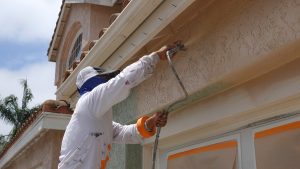
Larger projects, especially those involving tall properties, extensive surface damage, or specialist finishes, are often best left to professionals. Experienced decorators have the skills, tools, and knowledge to prepare surfaces properly and apply coatings that will last.
Hiring experts not only saves time and effort but also provides peace of mind that the finish will stand up to the British weather for years to come.
Conclusion
Exterior paint failures are often the result of avoidable mistakes, from poor preparation to unsuitable products. Once paint begins to peel, crack, or bubble, it not only spoils the appearance of a property but can also expose it to damp and long-term damage.
By learning to recognise the early signs of trouble, homeowners can act quickly before problems escalate.
Prevention, however, is always better than a cure. Investing in quality paints, taking time with preparation, and calling on professionals when needed can make all the difference.
With the right approach, you’ll enjoy a durable, attractive finish that protects your home and enhances its appearance for years to come.