Introduction
When it comes to redecorating, most people focus on choosing the perfect colour, but the real secret to a smooth, long-lasting finish lies in the preparation. Properly prepping your walls before painting is the single most important step for achieving a professional result.
Whether you’re freshening up a tired room or giving your entire home a makeover, taking the time to prepare your surfaces correctly will save you frustration and wasted effort down the line.
Without good prep, even the most expensive paint won’t hide cracks, stains, or uneven textures. Poor adhesion, flaking, or streaks are common issues when walls haven’t been cleaned, repaired, or primed properly.
In this blog, we’ll guide you through every step of wall preparation — from clearing the room to applying primer — so you can paint with confidence and achieve a flawless finish that lasts.
Clear the Area
Before you begin painting, it’s essential to create a tidy, obstruction-free workspace. Move all furniture out of the room where possible. If larger items can’t be removed, shift them to the centre and cover them thoroughly with dust sheets.
This prevents paint splashes or dust from settling on upholstery or surfaces and gives you space to manoeuvre ladders or step stools safely.
Take down anything hanging on the walls — curtains, blinds, mirrors, and artwork — and store them in a safe place. Don’t forget to remove wall-mounted fixings or nails to ensure a flat surface when painting.
Cover floors with decorator’s cloths or plastic sheeting to protect against drips and make post-job clean-up much easier.
Inspect the Walls
A quick scan of your walls isn’t enough — take the time to properly examine the surfaces for issues that could compromise your paintwork.
Look for hairline cracks, peeling paint, damp patches, and small holes that may have been left behind by nails or screws. Even minor imperfections can ruin an otherwise smooth finish.
If you notice signs of damp, mould, or major cracks, these need to be addressed before any painting begins. Ignoring them will only lead to poor adhesion and more serious problems later on.
A well-prepped surface starts with a sound foundation, so take this step seriously and give each wall a thorough once-over in good light.
Clean the Surface
Walls gather more grime than you might realise, especially in kitchens and hallways. Dust, grease, and even cobwebs can all affect how well your paint adheres, so it’s vital to wash the walls properly.
Use sugar soap or a mild detergent solution with warm water to wipe down the entire surface, from skirting to ceiling.
Focus on areas around light switches, sockets, and near radiators, where fingerprints and built-up grime are more common. After cleaning, rinse the walls with plain water to remove any soapy residue.
Allow the surface to dry completely before moving on to the next step — painting over damp patches is a recipe for disaster.
Repair Damage
Once the surface is clean and dry, you’ll want to fix any damage to ensure a flat, even base for your paint. Use a good-quality filler to patch up holes, cracks, and dents, following the product instructions carefully.
For hairline cracks, a lightweight filler usually does the trick, while larger imperfections may require a more heavy-duty solution.
After the filler has dried (check the drying time on the packaging), sand it back to a smooth finish so it blends seamlessly with the surrounding wall.
If you skip this part, those once-filled areas will stick out like a sore thumb once the paint goes on. Don’t forget to brush away any dust with a soft cloth or vacuum the area before moving forward.
Sand the Walls
Sanding the entire surface may seem tedious, but it’s one of the key steps to achieving a professional finish. It removes old paint flakes, smooths over bumps, and slightly roughens glossy surfaces so new paint can grip more effectively.
For most interior walls, a medium-grit sandpaper (around 120) is ideal.
Pay special attention to areas around corners, where paint tends to build up unevenly. Once you’ve finished sanding, use a Hoover or a tack cloth to remove all dust particles from the surface.
Even a thin layer of dust can interfere with paint adhesion and lead to a patchy or rough texture once dry.
Deal with Stains or Mould
If your walls have any stains — whether from water, smoke, or grease — now’s the time to tackle them. Simply painting over these marks might work temporarily, but they’ll often bleed through even after several coats.
Use a stain-blocking primer designed for the type of stain you’re dealing with to avoid disappointment.
For mould or mildew, cleaning with a mould treatment is essential. However, always make sure you’ve addressed the cause of the issue, such as a leak or poor ventilation, to prevent it from returning.
Painting over active mould without treatment will not only look unsightly later but could also pose health risks.
Mask Off Areas
Masking tape is your best friend when it comes to creating sharp lines and protecting adjacent surfaces.
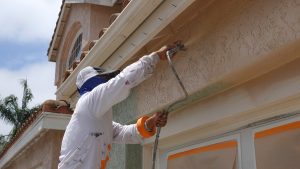
Apply high-quality decorator’s tape around skirting boards, sockets, light switches, and where the wall meets the ceiling. Press it down firmly to stop paint from bleeding underneath.
It’s also wise to mask off window frames and door trims for a neat edge. Once the paint has been applied, remove the tape before it dries completely to avoid peeling.
Waiting until it’s fully dry could lead to ripping or chipping the fresh paint, undoing your hard work.
Prime the Walls (If Necessary)
Priming isn’t always needed, but in certain cases, it’s non-negotiable. If you’re painting over bare plaster, a dark or bold colour, or a high-gloss finish, you’ll need to apply a primer first.
It helps the paint stick better and ensures a consistent finish across the entire surface.
There are different primers for different needs — stain-blocking, bonding, or all-purpose. Choose the one best suited to your wall condition.
Allow the primer to dry completely before painting, and always follow the manufacturer’s recommendations for application and drying times.
Conclusion
Taking the time to prep your walls properly is what separates a DIY disaster from a professional-looking finish. It may take a little longer, but it’s time well spent.
Clean, smooth, and properly primed walls will help your paint go on easier and last much longer without peeling or patchiness.
If you’re short on time or unsure where to start, SB Decorations can help. We bring years of experience and a detail-focused approach to every decorating job.
Get in touch for expert advice or to request a no-obligation quote.