
A business interior says a lot before anyone speaks to a customer, client, visitor or member of staff. The colours, finishes and condition of the walls all contribute to how reliable, careful and recognisable a space feels.
That is why commercial painting is not only about fresh paint. Skilled decorators use clear planning, accurate colour matching and consistent application to protect the visual identity of a space while keeping work tidy, practical and easy to live with.
Why brand consistency matters inside a business space
Brand consistency is often discussed in relation to logos, websites and printed materials, but the physical interior matters just as much. A reception area, office, treatment room, retail space or shared workspace can either reinforce the brand or quietly dilute it.
When paint colours vary from one wall to another, when touch ups look patchy, or when different finishes catch the light in different ways, the whole space can feel less considered. Most people will not analyse the paintwork in detail, but they will notice the overall impression.
Commercial painters help reduce that risk by treating colour and finish as part of the business identity. This means looking beyond a quick refresh and thinking about how the space should feel across entrances, customer areas, staff spaces, meeting rooms and back of house zones.
For some businesses, consistency means using the same neutral colour across multiple rooms so everything feels calm and professional. For others, it means applying a brand colour carefully in selected areas, while keeping the rest of the scheme balanced and practical. In both cases, the aim is the same, a space that feels deliberate rather than pieced together.
How decorators approach colour matching
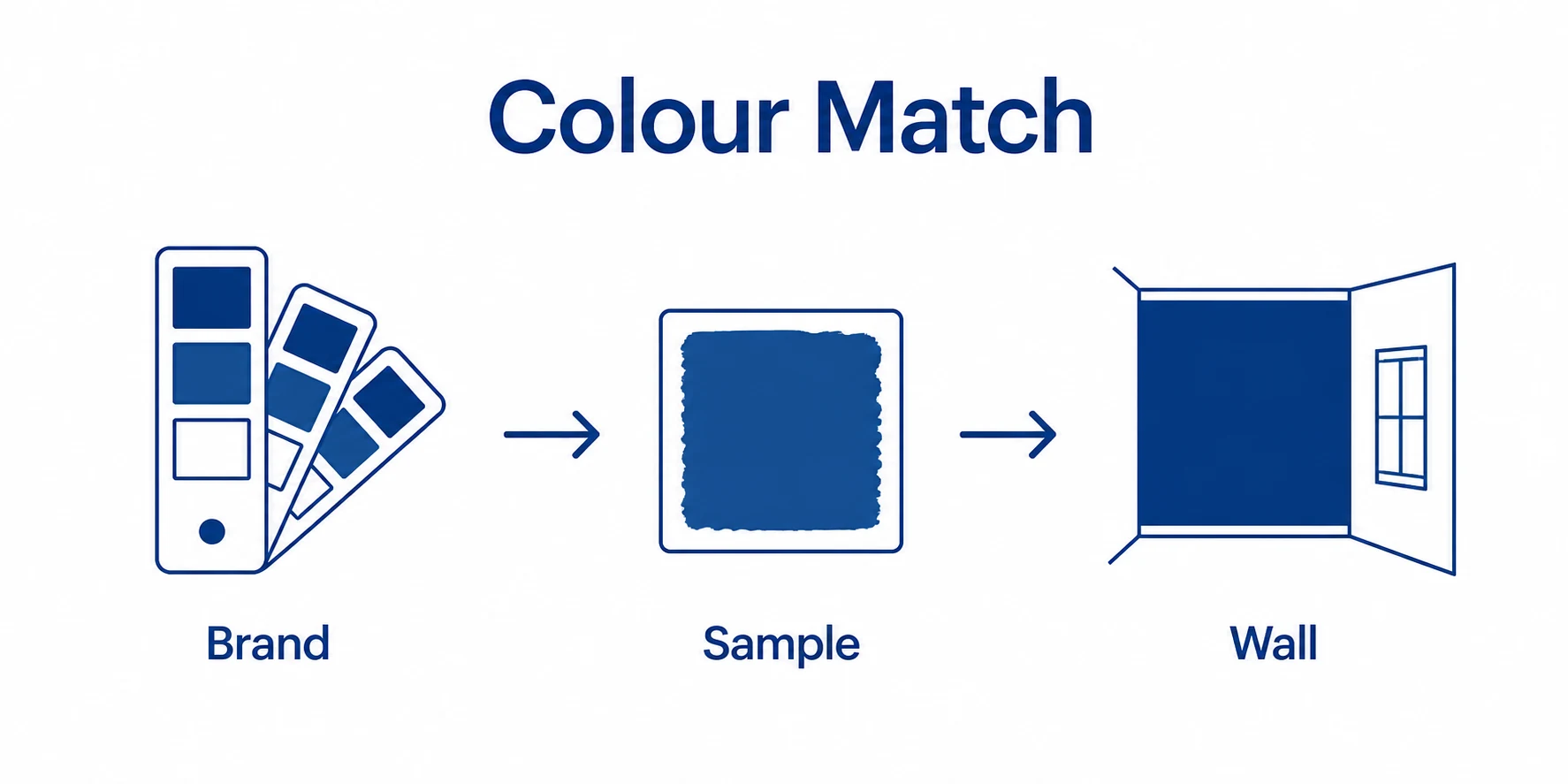
Colour matching is one of the most important parts of brand consistent decorating. A paint colour can look different depending on the product, surface, lighting and age of the existing coating. Even a small variation can stand out when it sits next to signage, furniture or previously painted walls.
Professional decorators usually begin by identifying the colour standard that needs to be followed. That might be a brand guideline, an existing paint reference, a sample panel or a colour already used elsewhere in the building. The more reliable the reference, the easier it is to maintain consistency.
They will also consider the surface being painted. Plaster, timber, metal and previously coated areas can all affect the way a colour appears. Preparation, primer choice and the number of coats can influence the final result as much as the colour itself.
Lighting also matters. A colour that looks crisp in natural light may feel warmer or cooler under artificial lighting. In a commercial setting, decorators often assess colours in the actual rooms where they will be used, because the goal is not just a technically correct match, but a match that looks right in context.
For businesses planning larger projects, the commercial painting service from SB Decorations is the natural place to start when the work needs to be planned around brand presentation as well as practical decorating standards.
Choosing finishes that stay consistent
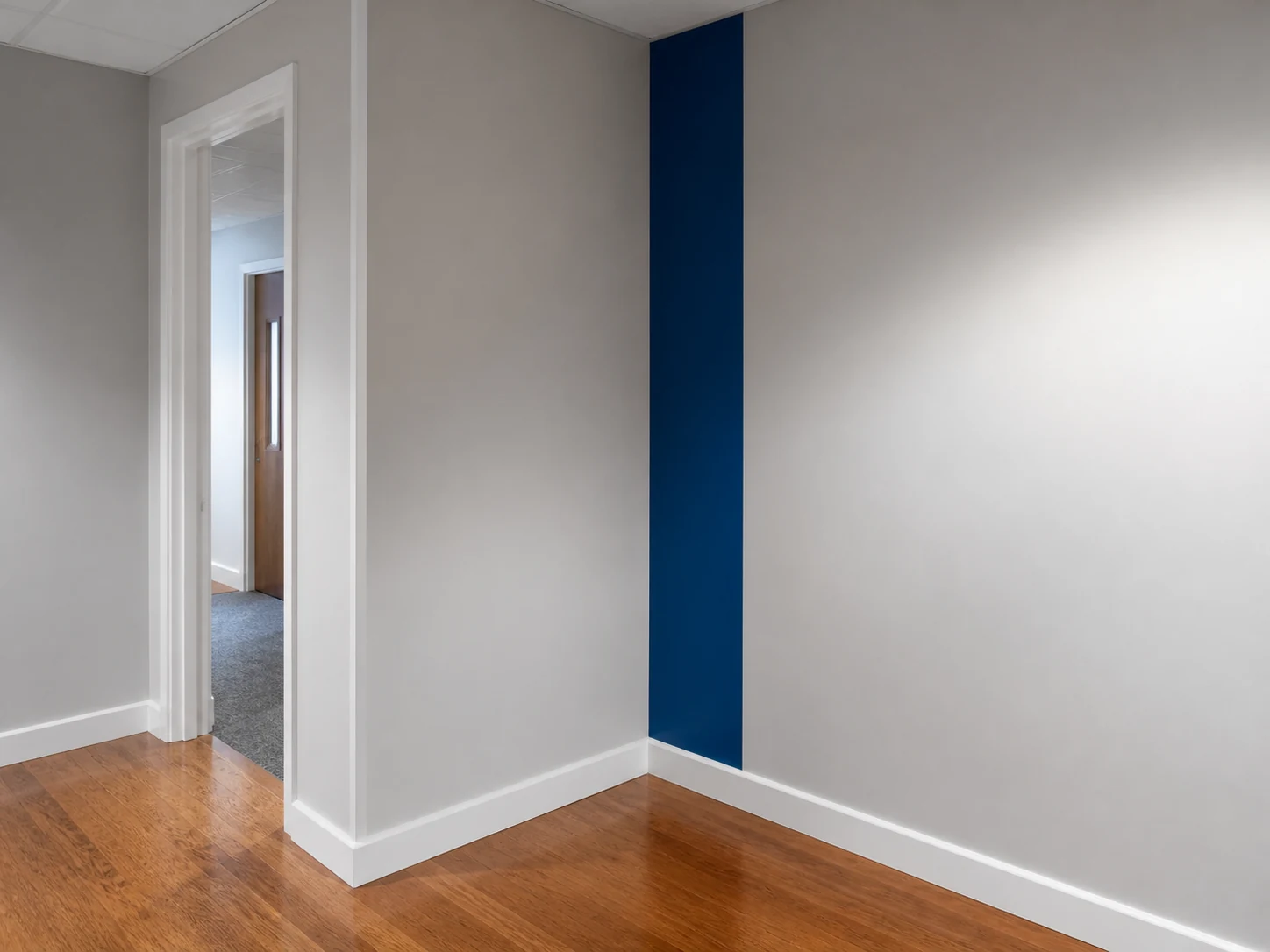
Finish consistency is just as important as colour. Two paints can be the same shade but look noticeably different if one has a matt finish and another has a slight sheen. In areas where walls meet, or where light passes across a surface, that difference can be obvious.
Commercial decorators think carefully about where each finish should be used. A matt finish can help create a soft, even appearance on large wall areas. A more washable finish may be suitable in busy corridors, staff areas or customer spaces where surfaces are touched more often. Trim, doors and skirting may need a different product to handle everyday contact while still looking connected to the rest of the scheme.
The key is to make these choices deliberately. Random changes in finish can make a space look inconsistent, but a planned finish schedule helps each area perform well while still feeling part of the same interior.
Professional decorators also pay attention to batch control, drying conditions and application method. Paint applied with different tools, at different times or over uneven surfaces can produce subtle differences. Good preparation and steady application help avoid patchiness and visible changes in texture.
This is especially important when a business has multiple rooms or repeat areas. Customers may move from reception to a treatment room, showroom, meeting room or office without thinking about the decoration, but a consistent finish helps the journey feel joined up and professional.
Planning phased work without losing the overall look
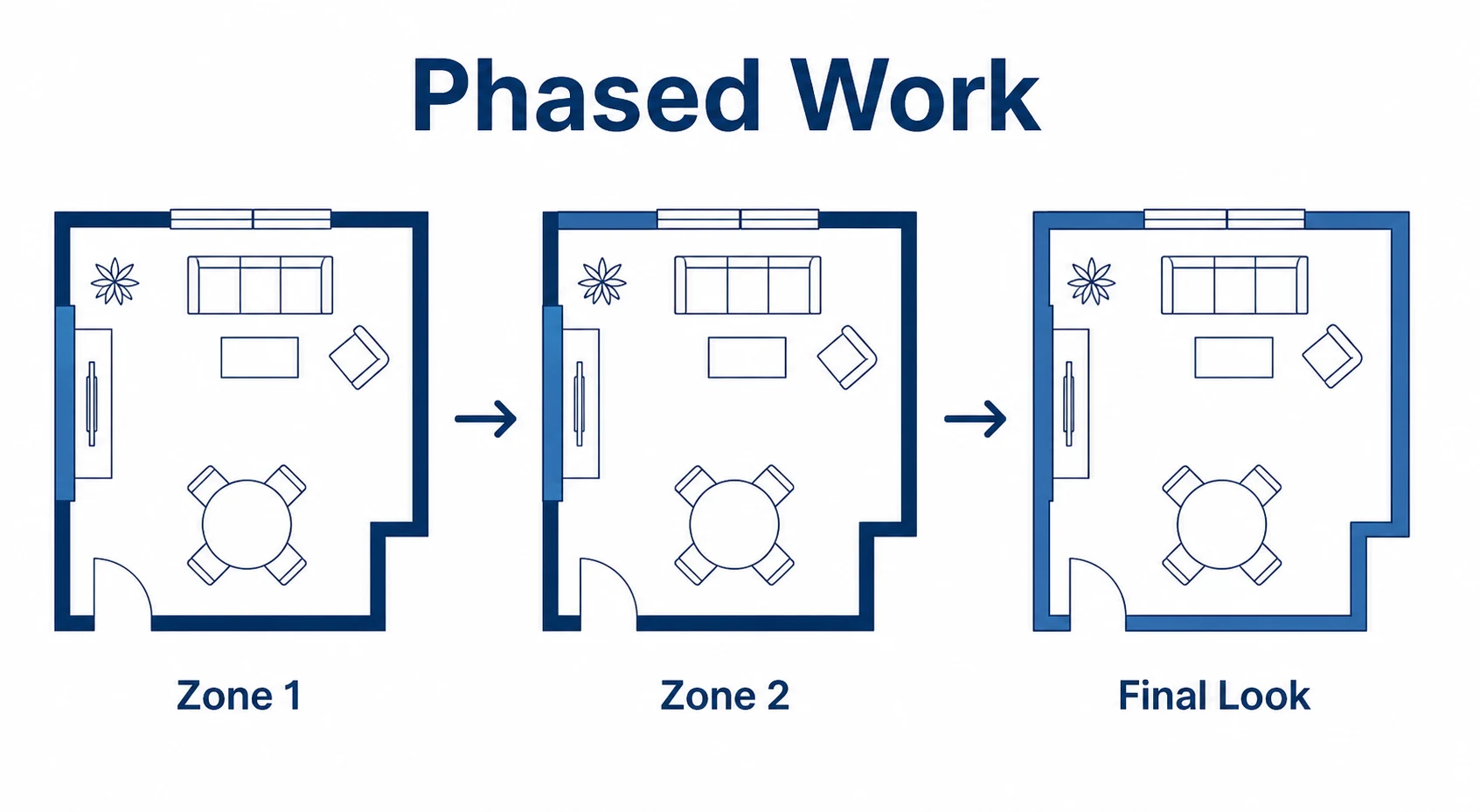
Many commercial interiors cannot be decorated all at once. Areas may need to stay open, staff may need access, and customer facing spaces may need to remain presentable during the project. Phased work makes this possible, but it needs careful control to avoid a patchwork result.
A phased decorating plan usually sets out which areas will be completed first, how surfaces will be protected, where materials will be stored and how finished sections will be kept clean while later work continues. This planning helps the business keep moving while the decorators maintain quality.
Colour and finish records are particularly useful during phased projects. If an area is painted one week and another area follows later, decorators need to return to the same specification with confidence. Clear notes on products, finishes, preparation and application reduce the chance of visible variation.
Phasing is also about tidy boundaries. A professional team will think about where each stage begins and ends, so partially completed work does not leave awkward edges or obvious breaks. Door frames, wall returns and natural room divisions can all help make staged work look neat.
For a closer look at practical planning during live business projects, SB Decorations has also covered how commercial decorators keep business disruption low, which is closely linked to maintaining a consistent interior while work is underway.
Protecting details that shape the brand experience
Brand identity in an interior is often built from small details. Clean lines around skirting boards, careful cutting in around trim, consistent edges near ceilings and tidy decoration around fixtures all affect how finished the space feels.
These details matter because customers and staff experience a room at close range. A wall may be the correct colour, but if the edges are untidy or the finish is uneven, the result can still feel less polished. Professional decorators use masking, dust sheets, careful preparation and the right tools to protect the parts of the space that should remain untouched.
Surface preparation is a major part of this. Filling, sanding, cleaning and priming help the paint sit evenly and perform well. In commercial interiors, where walls may have previous repairs, marks from fixtures or areas of heavy use, preparation can make the difference between a short lived refresh and a result that keeps looking considered.
Decorators also understand the value of restraint. Not every surface needs to carry a brand colour. In many interiors, the strongest brand experience comes from a controlled palette, crisp neutral areas and selected accents. The result is easier to maintain and less likely to feel dated quickly.
If a business is considering whether decorating can improve the way its premises feel, the article on how commercial painting can transform your business space explores the wider effect of a well planned interior refresh.
Keeping future maintenance simple
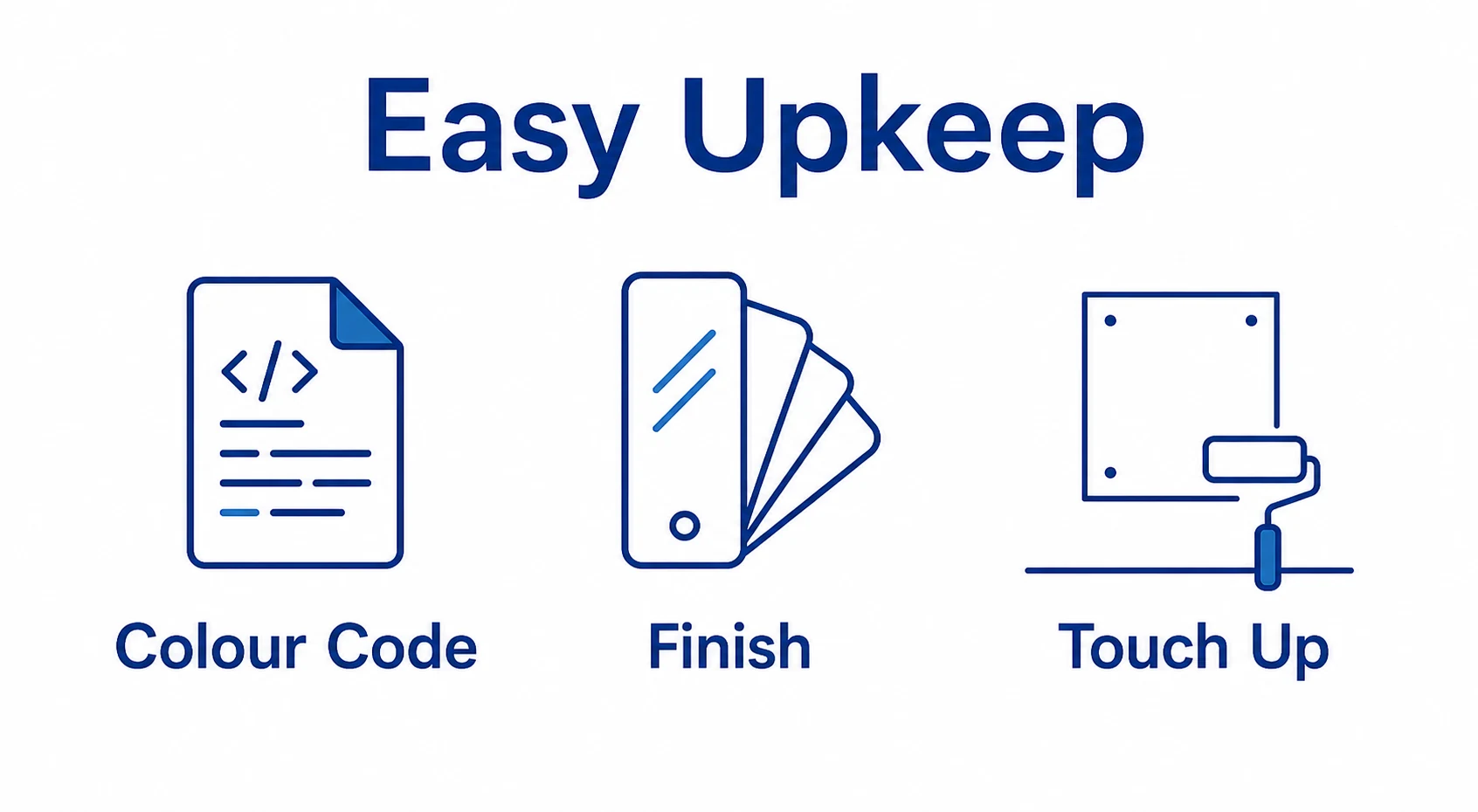
A brand consistent interior is easier to maintain when decisions are recorded properly. Professional commercial decorators can help by making sure colour references, finishes and product choices are clear, so future touch ups or new phases can follow the same standard.
This matters because business spaces change. Furniture is moved, fixtures are updated, walls are marked and rooms are adapted for new uses. If the original decorating specification is unclear, small maintenance jobs can gradually introduce colour or finish differences.
Good maintenance planning also considers durability. Areas with more contact may need tougher coatings, while quieter rooms may prioritise a flatter, softer appearance. Choosing the right finish for each area from the start helps the interior stay smart without constant correction.
For businesses with several rooms, floors or premises, decorators may also suggest a simple schedule of areas and finishes. This does not need to be complicated. Even a clear list of colours, surfaces and products can make future work more efficient and more consistent.
Over time, this approach protects both presentation and practicality. The interior remains easier to refresh, new work blends more naturally with existing decoration, and the business avoids the gradual drift that can happen when small decorating decisions are made in isolation.
- Commercial painters support brand consistency by matching colour, finish and application across the whole interior.
- Lighting, surface type and preparation all affect how a colour appears once it is applied.
- Phased decorating can keep business areas usable while still protecting a joined up final result.
- Clear records of colours, finishes and products make future maintenance much easier.
- The best commercial decorating feels considered, tidy and practical, without drawing attention to itself.
Frequently asked questions
Why is colour matching important in commercial interiors?
Colour matching helps a business space feel consistent and recognisable. Even small differences between walls, trim or touch ups can make an interior look less planned, especially in customer facing areas.
Can commercial decorating be completed in phases?
Yes. Many business interiors are decorated in stages so areas can remain usable. A clear plan helps decorators protect finished work, manage access and keep colours and finishes consistent between phases.
What paint finish is best for a business interior?
The best finish depends on the surface, use of the room and level of contact. Busy areas may need a more washable finish, while larger wall areas may suit a softer matt appearance. A professional decorator can help balance appearance and durability.
How can a business keep its interior consistent after decorating?
Keeping a record of colour references, finishes and products makes future touch ups and new phases easier to match. It also helps prevent small maintenance jobs from gradually changing the overall look of the space.
Plan a consistent commercial interior
If your business space needs a careful, tidy refresh, SB Decorations can help you plan commercial painting that respects your brand, your rooms and the way your business works.