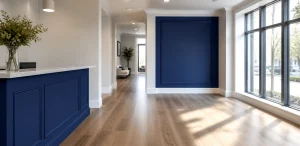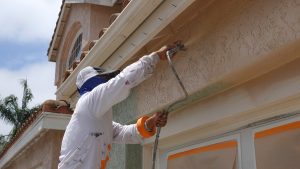
Fresh walls can lift a room, but the details around them often decide whether the whole finish feels truly polished. Skirting boards, doors, frames and trim sit at eye level, hand level and floor level, which means small flaws are easy to spot.
Specialist paintwork in these areas is about more than neat brush strokes. It brings together preparation, masking, product choice and careful finishing, so the room looks sharper and stays looking cared for.
Why trim has such a big effect on the final room finish
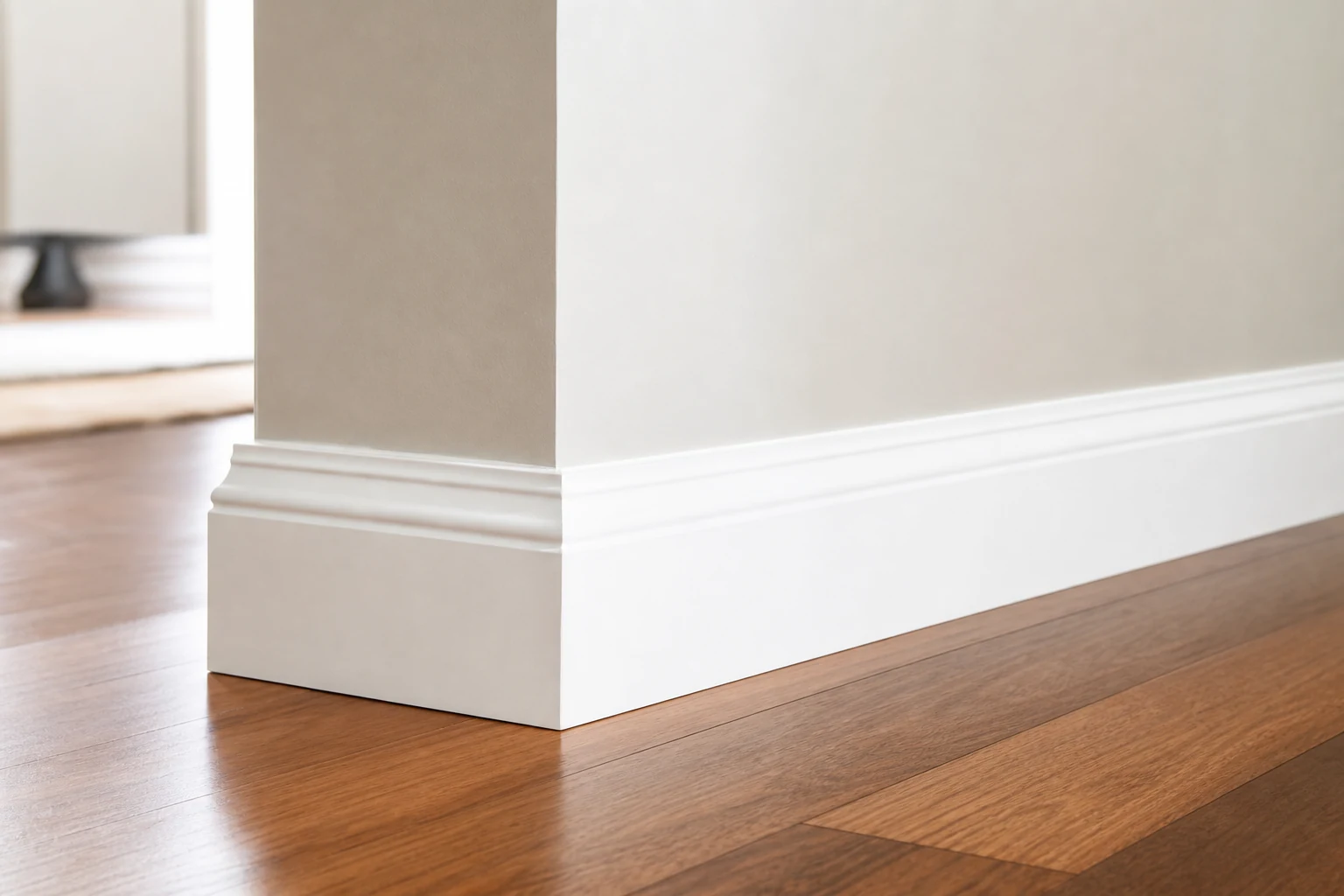
Skirting boards and trim form the outline of a room. They frame the walls, meet the flooring, surround doorways and often run through the busiest parts of the home. Because of that, they naturally draw the eye. Even when people are not consciously inspecting the paintwork, they notice whether edges look clean, corners look tidy and surfaces catch the light evenly.
This is why trim can make a freshly decorated room feel finished, or slightly unfinished. A wall may have a smooth coat of paint, but if the skirting has uneven coverage, old drips, visible brush marks or a wobbly edge where it meets the wall, the overall effect is reduced. The room can feel less crisp, even when the main surfaces have been painted well.
Professional decorators tend to treat trim as precision work. The task is smaller in area than painting walls, but it often demands more control. There are more junctions, more changes in angle, more contact points and more surfaces that have already collected knocks, dust and old paint build up over time.
That is also why it makes sense to look at trim as part of the wider decorating plan, rather than as an afterthought. When skirting boards, doors and frames are prepared and painted with the same care as the walls, the room gains a cleaner outline and a more complete finish. For homeowners planning wider interior work, SB Decorations’ professional painting service explains how careful painting can support a more refined result across the whole space.
Surface preparation matters even more on skirting boards and doors
Trim takes a lot of daily contact. Skirting boards are close to shoes, vacuum cleaners, furniture, pets and general household dust. Door frames and architraves are touched regularly. Doors pick up hand marks, small dents and wear around handles. These surfaces need to be properly prepared before paint is applied, otherwise the new finish may simply highlight the old problems underneath.
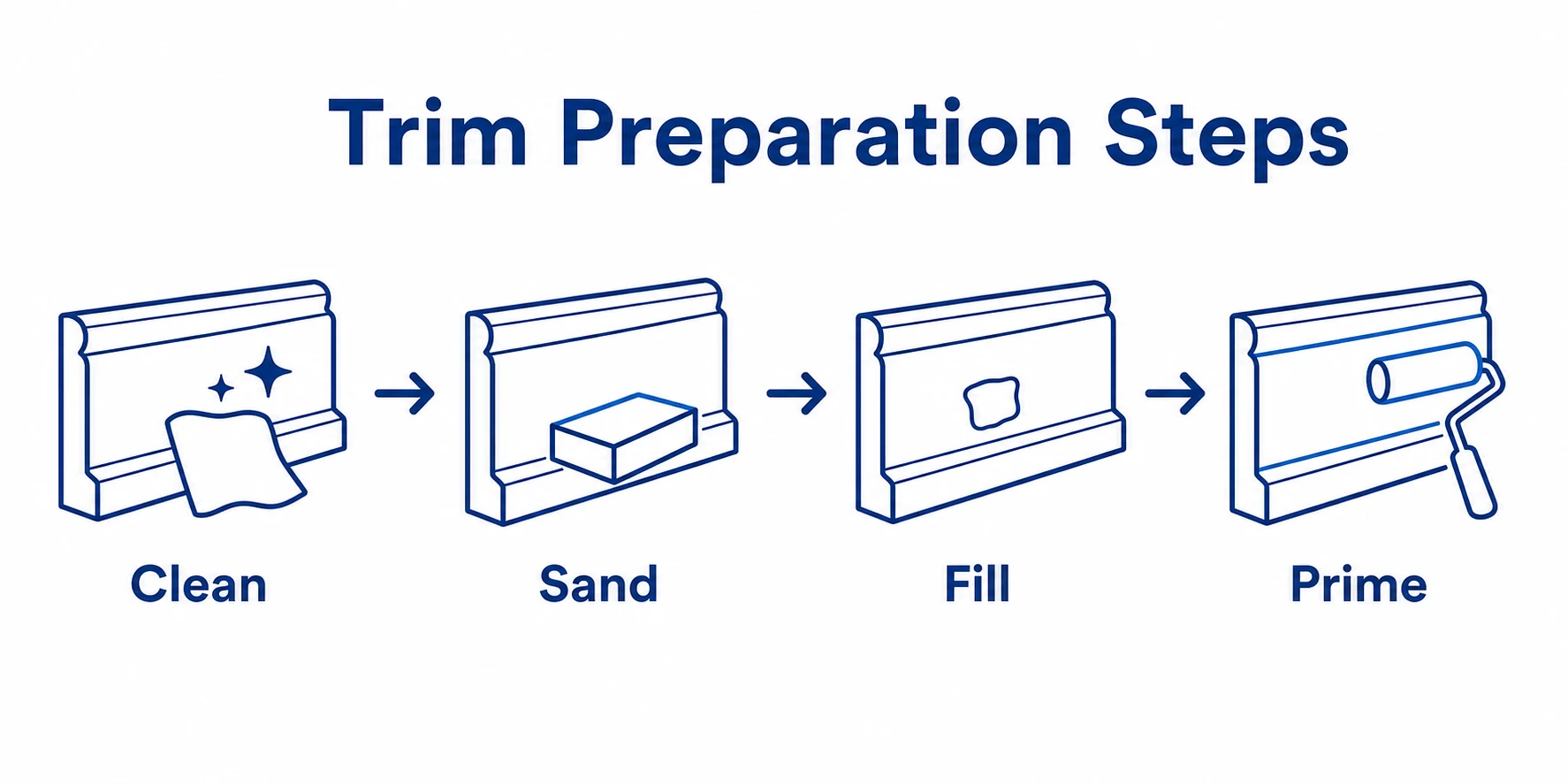
Good preparation usually starts with cleaning. Dust, grease and residue can stop paint from adhering properly, especially on surfaces that have been handled often or cleaned with household products. Once clean, the surface can be assessed for chips, cracks, gaps, rough patches, raised old paint or areas where previous coatings have failed.
Sanding is a key part of the process. It helps smooth imperfections and creates a suitable surface for the next coat. On detailed trim, sanding needs care, because edges and profiles can be easily rounded off if the work is rushed. Filling and caulking also need a steady hand. A gap between skirting and wall, or a small crack around a door frame, can stand out after painting unless it is dealt with properly first.
Primer or undercoat may also be needed, depending on the surface and previous finish. Bare timber, stained wood, glossy old paint and repaired sections can all behave differently. Preparation helps bring these surfaces to a more consistent condition before the finishing coats are applied. This is one reason why surface preparation in professional painting is such an important subject, especially when the goal is a clean and durable result.
Clean edges depend on planning, not luck
The line where a skirting board meets the wall is one of the most visible details in a decorated room. The same applies around door frames, window boards and any painted trim that meets another surface. A clean edge looks simple when it is finished well, but it usually comes from careful planning.
Masking is part of that planning. The right tape, applied to the right surface at the right time, can protect flooring, walls and adjacent finishes. But masking alone is not a magic fix. The surface needs to be clean enough for the tape to sit flat, the tape needs to follow the line accurately and it needs to be removed at the right stage so the edge remains neat.
There is also a difference between masking for protection and relying on tape to create every line. A skilled painter will still use control with the brush, especially around mouldings, uneven walls, corners and older trim where surfaces may not be perfectly straight. In many homes, the challenge is not creating a mathematically perfect line, but creating a visually clean line that works with the room itself.
This is where professional experience is valuable. A decorator can decide the order of work, choose when to paint walls or trim first, protect finished areas and maintain tidy junctions between surfaces. The end result is not just less mess. It is a sharper finish, with fewer distractions where the eye naturally rests.
The right finish helps trim cope with daily use
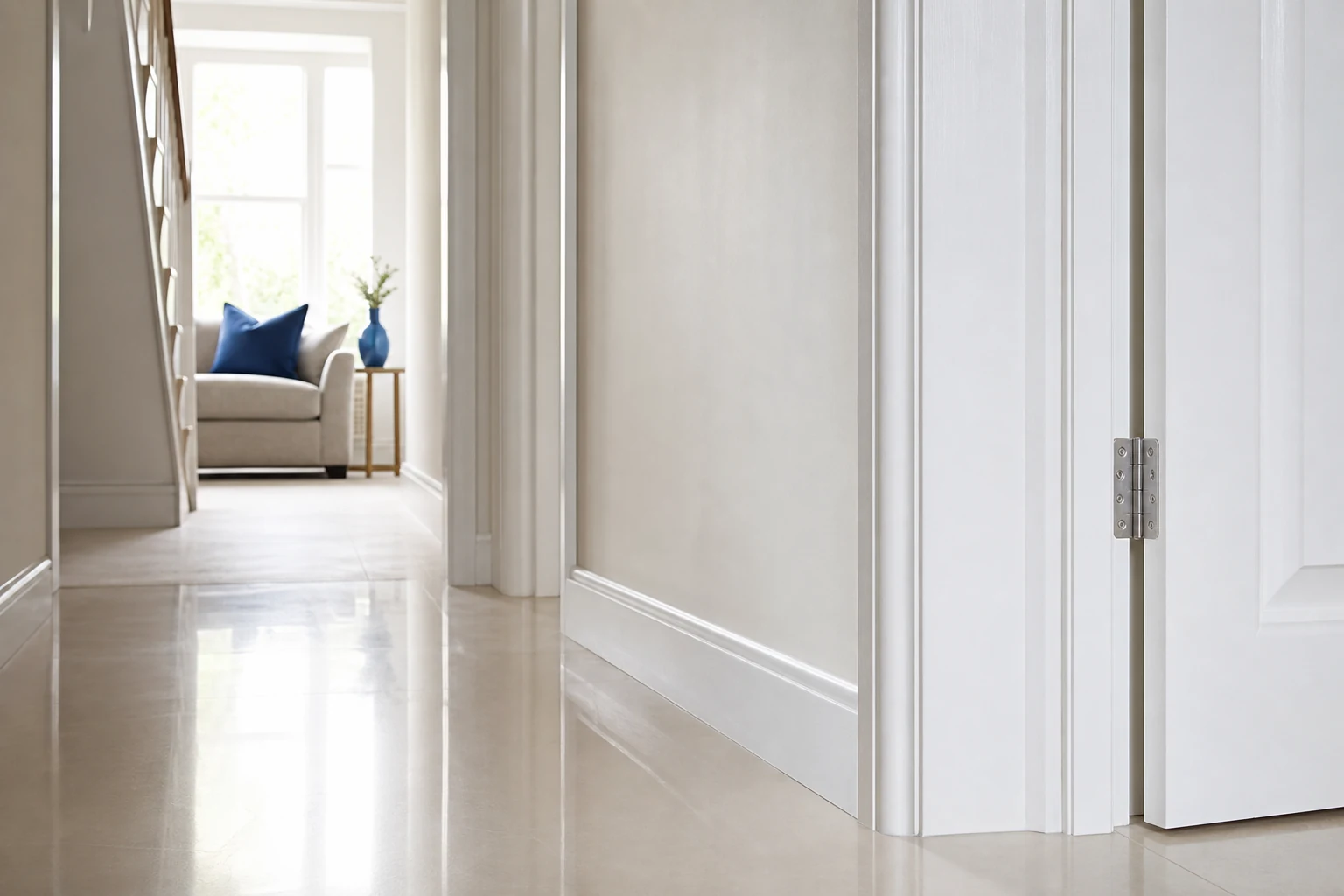
Skirting boards, doors and trim need paint that looks good and copes with contact. The best choice depends on the surface, the room, the level of use and the preferred look. Some people want a soft, modern finish. Others prefer a more traditional sheen. What matters is choosing a coating that suits the job rather than treating every surface in the same way.
Durability is especially important on doors, frames and skirting boards because these areas are handled, brushed against and cleaned more often than walls. A suitable finish can make routine cleaning easier and help the paintwork resist everyday marks. It can also reduce the chance of premature scuffs in busy areas.
Gloss level affects both appearance and practicality. Higher sheen finishes can reflect more light and may show surface imperfections if preparation has been poor. Lower sheen finishes can look more subtle, but still need the right product if the area is likely to be touched often. A professional painter can balance these factors and recommend a finish that suits the room and the way it is used.
It is also worth thinking about consistency. If the paint on the trim clashes with the standard of the walls, or if different pieces of woodwork have noticeably different sheens, the room can feel unsettled. Careful product choice helps the finish look intentional. For homes where family life places extra demands on painted surfaces, advice around durable paint finishes that last can be useful when deciding what level of resilience is needed.
Common trim problems that specialist paintwork can solve
Many trim problems are small on their own, but together they can make a room look tired. The most common issues include chipped skirting, uneven old paint, visible brush marks, gaps at wall junctions, yellowing coatings, poor adhesion and rough edges where previous paint has built up over time.
Specialist paintwork deals with these issues in the right order. Rather than simply adding another coat, the decorator looks at why the surface is not performing or why it looks uneven. Old runs may need sanding back. Failed paint may need removing or stabilising. Gaps may need filling with a suitable material. Glossy areas may need proper preparation before repainting.
Another common problem is paint bleeding or creeping under tape, especially along textured walls or uneven flooring. This can leave a ragged line that is hard to ignore. Professional decorators reduce this risk through better surface preparation, careful masking and controlled application. The result is a cleaner transition between surfaces.
Doors and frames bring their own challenges. Hinges, handles, panels and narrow edges all need care. Paint that is too heavy can pool in corners or interfere with how neatly a door closes. Paint that is too thin may not give enough coverage. Specialist work helps avoid these practical frustrations while improving the appearance of the room.
In commercial settings, trim and doors can also shape first impressions for customers, visitors and staff. Clean woodwork suggests that the space is well maintained. For business premises, SB Decorations’ guidance on expert commercial painting services gives more context on how professional decorating supports a smart working environment.
How to judge whether your trim needs professional attention
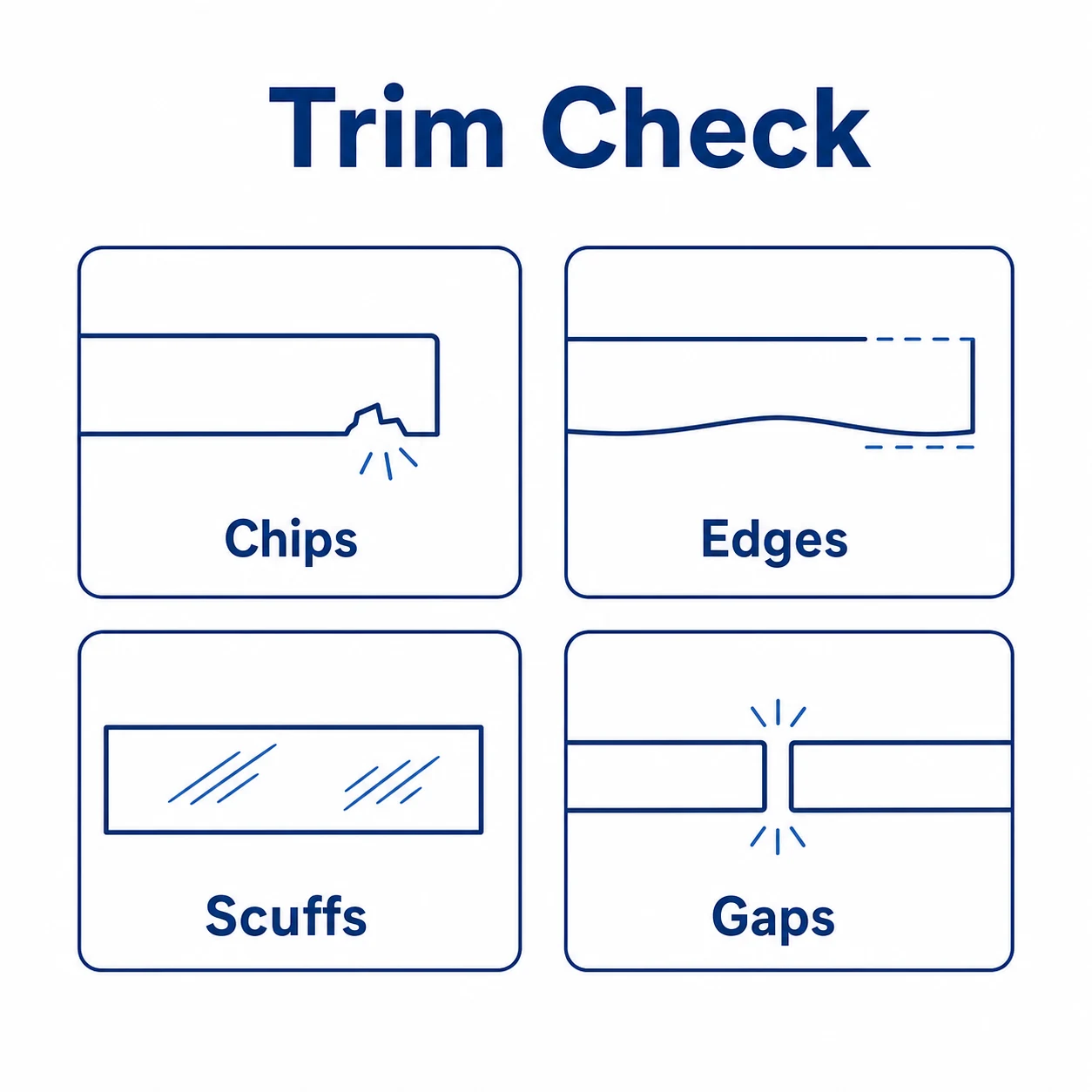
You do not need to be a decorator to spot when trim would benefit from specialist paintwork. Stand back and look at the edges first. If the line between wall and skirting looks uneven, if old paint has crept onto the wall, or if the skirting looks dull beside newly painted walls, it may be time to refresh it.
Next, look along the surface in natural light. Raised drips, dents, chips and rough patches often show more clearly from an angle. Run a hand lightly over the surface if it is clean and safe to do so. If it feels uneven, the final coat is unlikely to look its best without preparation.
Also consider how the trim is used. A spare room may need a lighter approach than a busy hallway, kitchen, shared workspace or family area. Doors and frames that are handled every day may need a tougher finish than purely decorative mouldings. Matching the preparation and paint system to real use is what helps the work last.
Finally, think about the overall room standard you want. If you are investing in new wall colours, refreshed flooring, updated furniture or a better interior finish, the trim should support that improvement. Crisp skirting boards, tidy doors and smooth frames help pull everything together.
- Skirting boards, doors and trim strongly influence how sharp and complete a room feels.
- Preparation is essential because trim often carries chips, dust, old paint build up and daily wear.
- Clean edges come from careful masking, brush control and the right order of work.
- Durable finishes help woodwork cope with regular contact and cleaning.
- Professional paintwork is especially valuable where small details are highly visible.
Frequently asked questions
Should skirting boards be painted before or after walls?
It depends on the condition of the surfaces, the products being used and the decorator’s preferred method. Many professionals plan the order around protection, drying times and the cleanest possible edge between wall and trim.
What paint finish is best for skirting boards and doors?
The best finish depends on the room and how much contact the surface receives. A professional painter can recommend a suitable option that balances durability, cleanability and the look you want.
Can old gloss paint be painted over?
Yes, but it normally needs proper cleaning, sanding and the right preparation first. Painting straight over a glossy surface without preparation can lead to poor adhesion and an uneven finish.
Why do brush marks show on trim?
Brush marks can appear because of poor surface preparation, unsuitable paint, overloaded brushes, rushed application or painting in awkward conditions. Careful technique and the right materials help create a smoother result.
Ready for a sharper finish?
If your skirting boards, doors or trim need careful attention, SB Decorations can help create a cleaner, more polished room finish with professional painting that focuses on the details.